
👋 Hello! I'm Mathieu Thouvenin, a Product Manager at Nike, based in Portland.
hello@mathieuthouvenin.com
Experience
I have 15 years of experience in Product Management, from large companies to small startups. I am passionate about building amazing mobile experiences. I’ve also developed a few iOS applications on my own which you can see in the "Projects" section above.
Outside of work, my hobbies include running, film photography, playing piano, cooking, baking, and traveling.
Nike
Product Director, Activity Apps (NRC & NTC)
Jan 2020 - Present
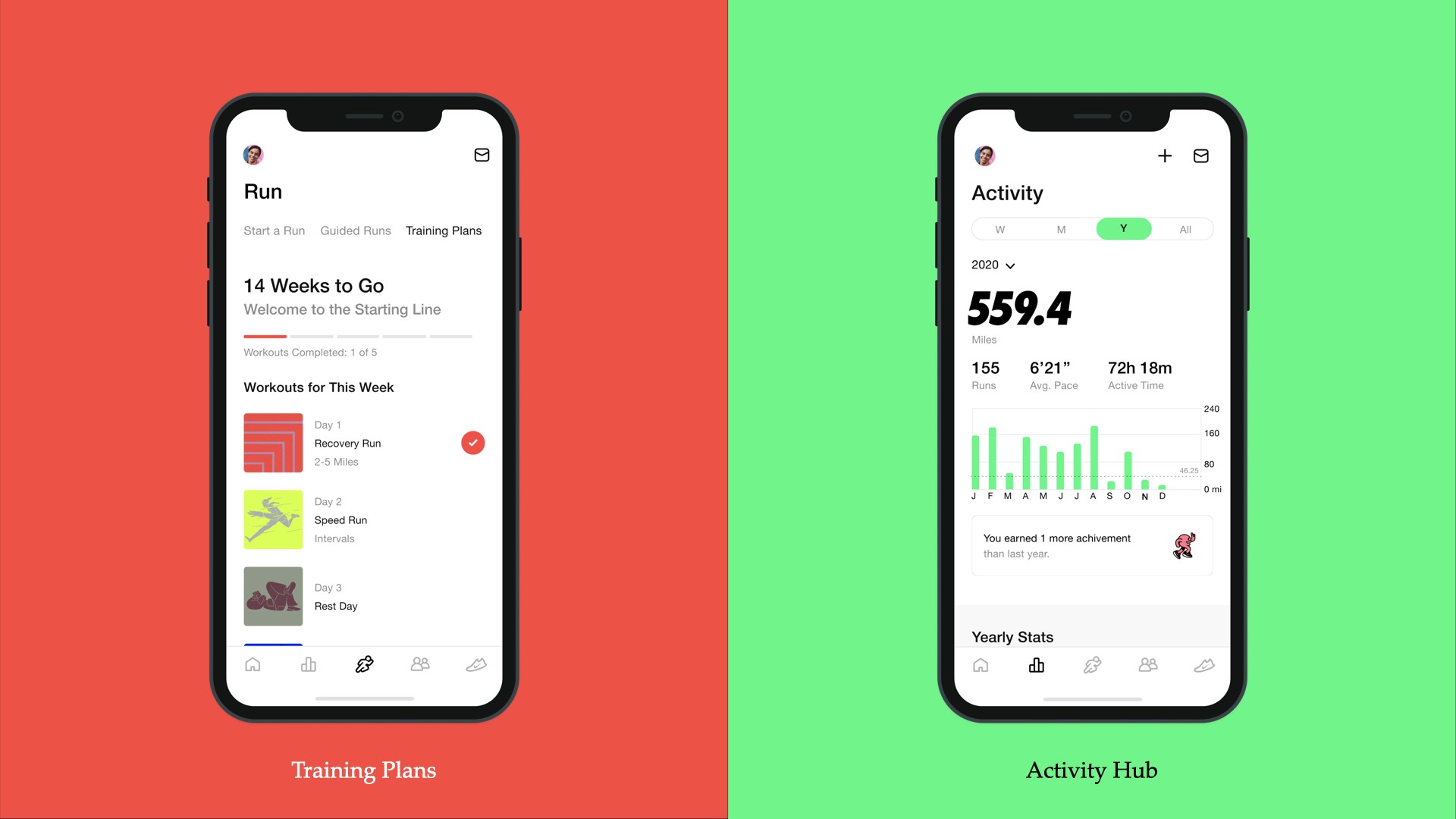
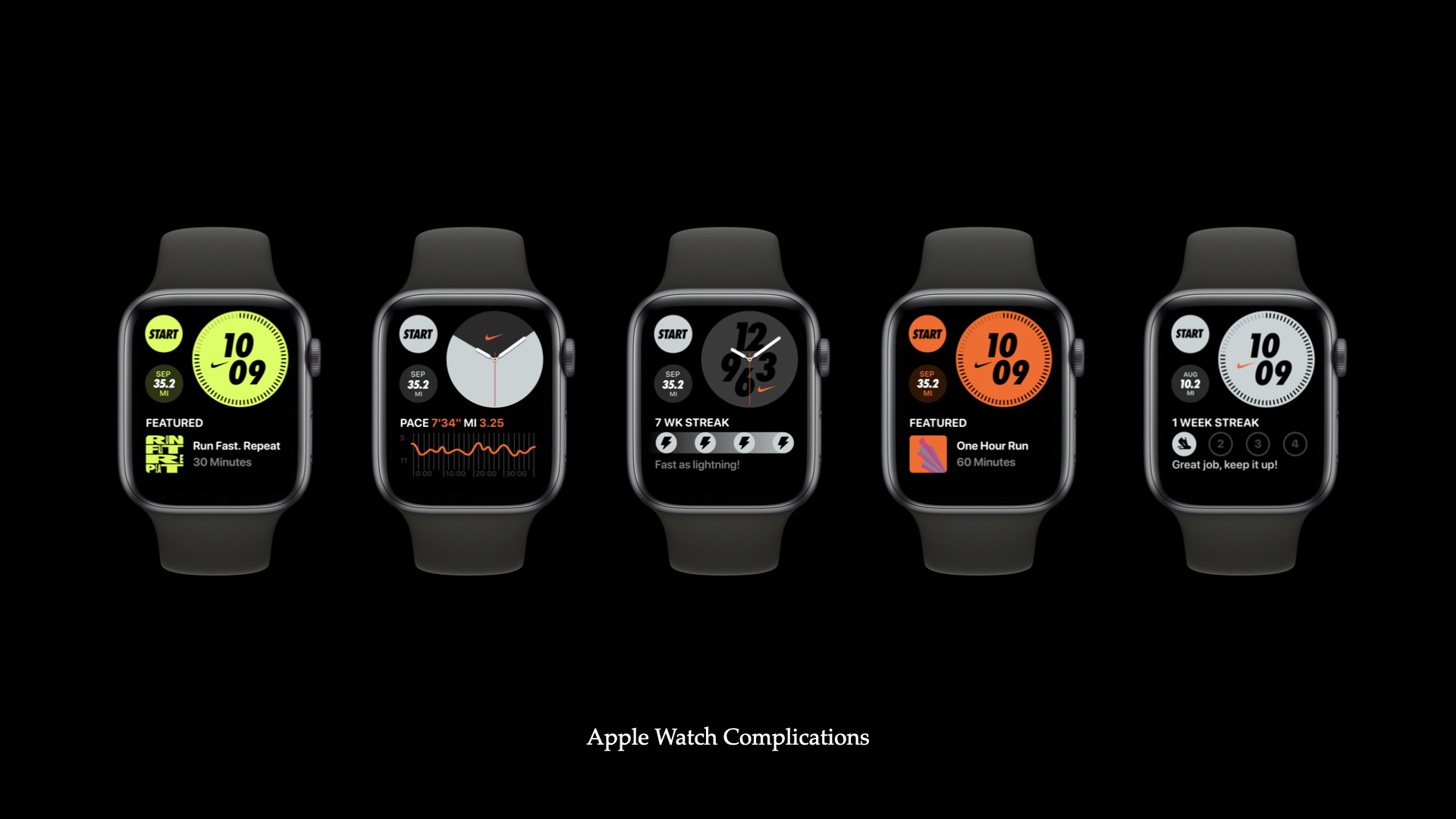
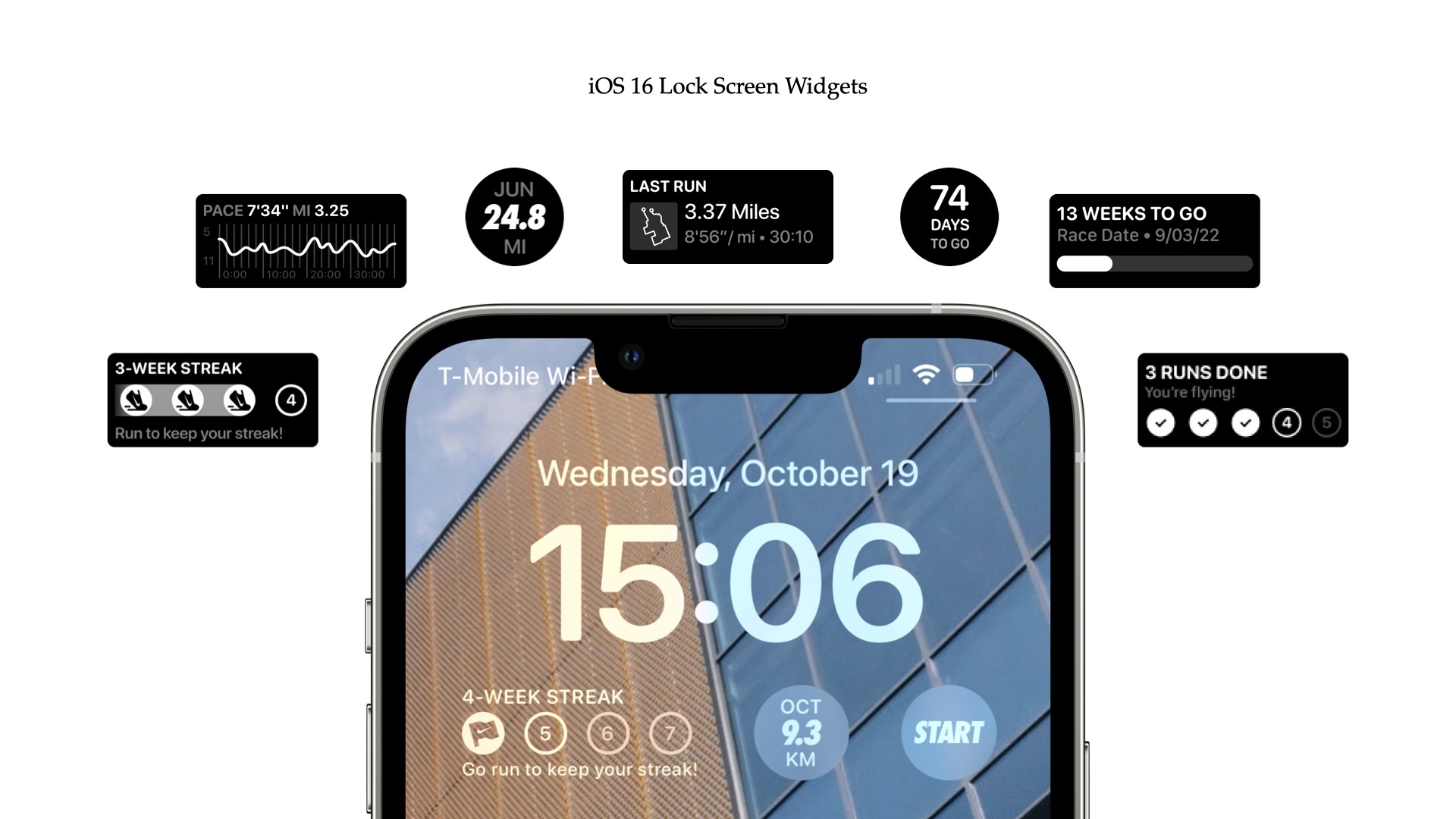
As a Product Director for the Nike Run Club & Nike Training Club apps, I worked on our Apple + Nike Apple Watch partnership and App, Connected footwear and features to drive user engagement like a complete redesign of our Activity Hub and new running Training Plans among many other projects.

Apple
Product Manager
Jan 2015 - Nov 2019
At Apple. I started on the Apple Online Store product management team on various initiatives which included:
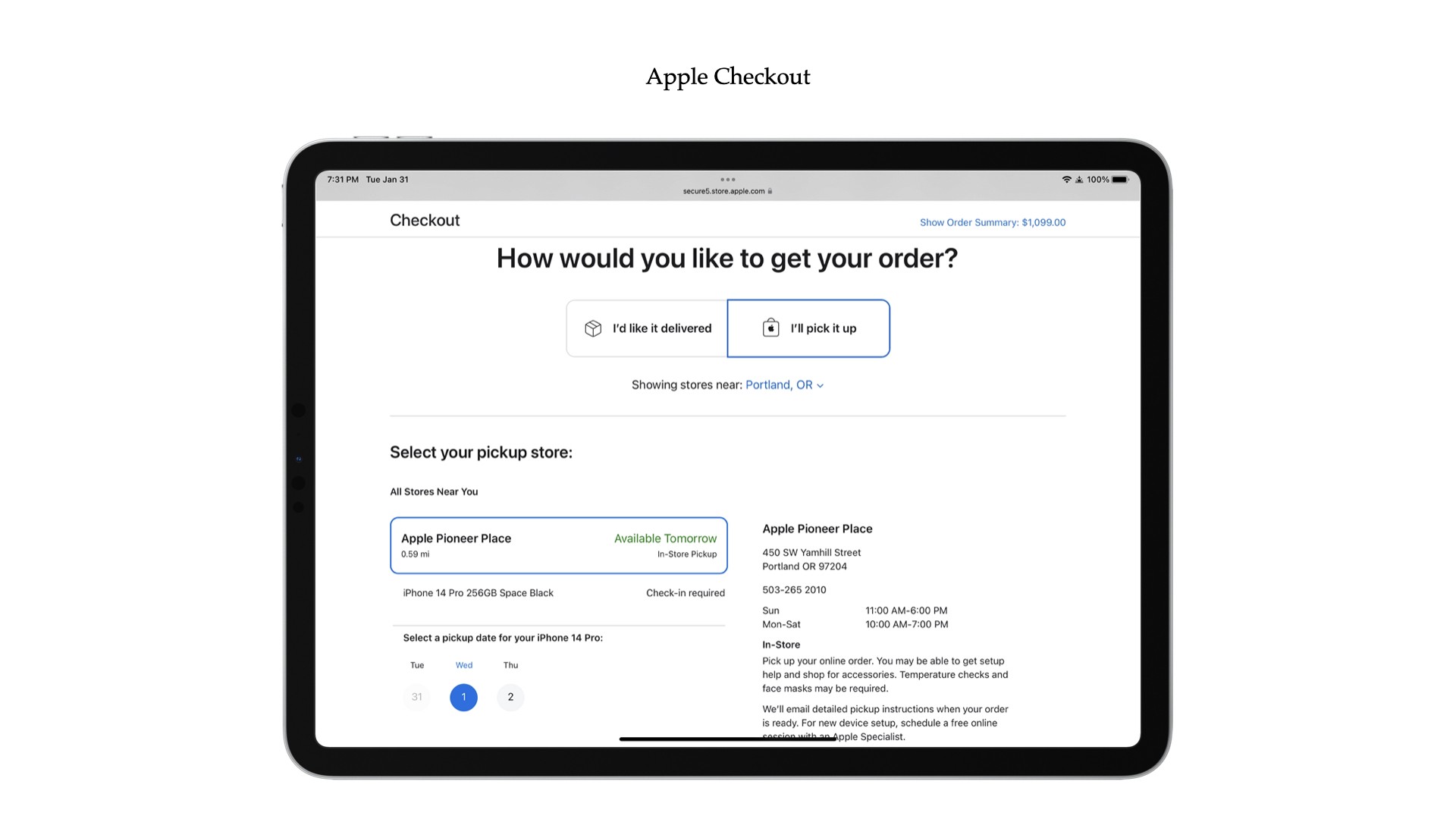
Redesigning the back-end and front-end experience of the Checkout flow of Apple.com from the ground up. Our Checkout experience hadn’t been updated in years and we decided to rebuild the experience to be as beautiful as it is seamless, as well as uses technologies that allowed us to move faster in the future.
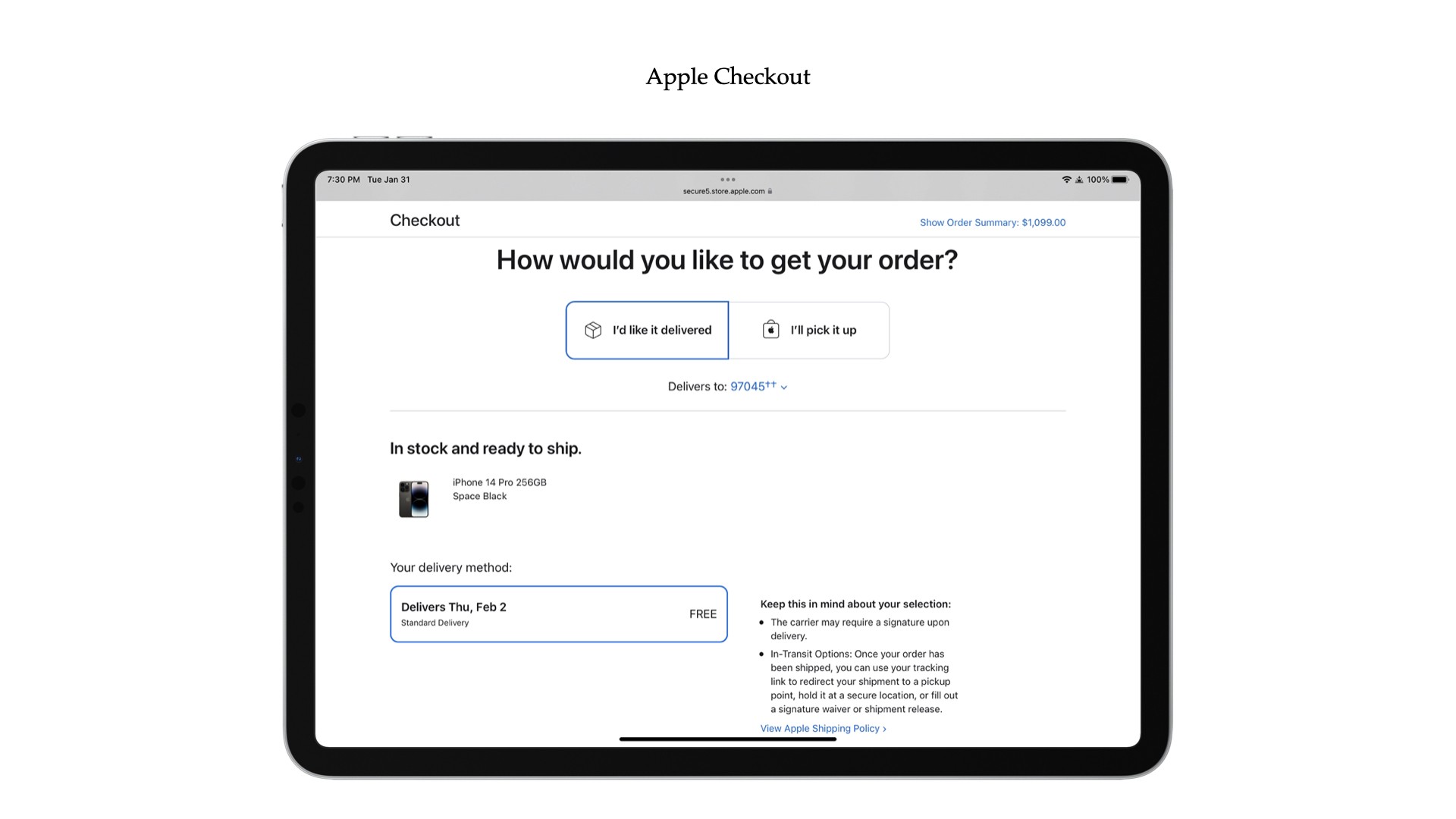
Improving our Pickup in store feature and launching various features, including a critical one to improve customer experience of ordering online to pick-up in stores in peak launch times.
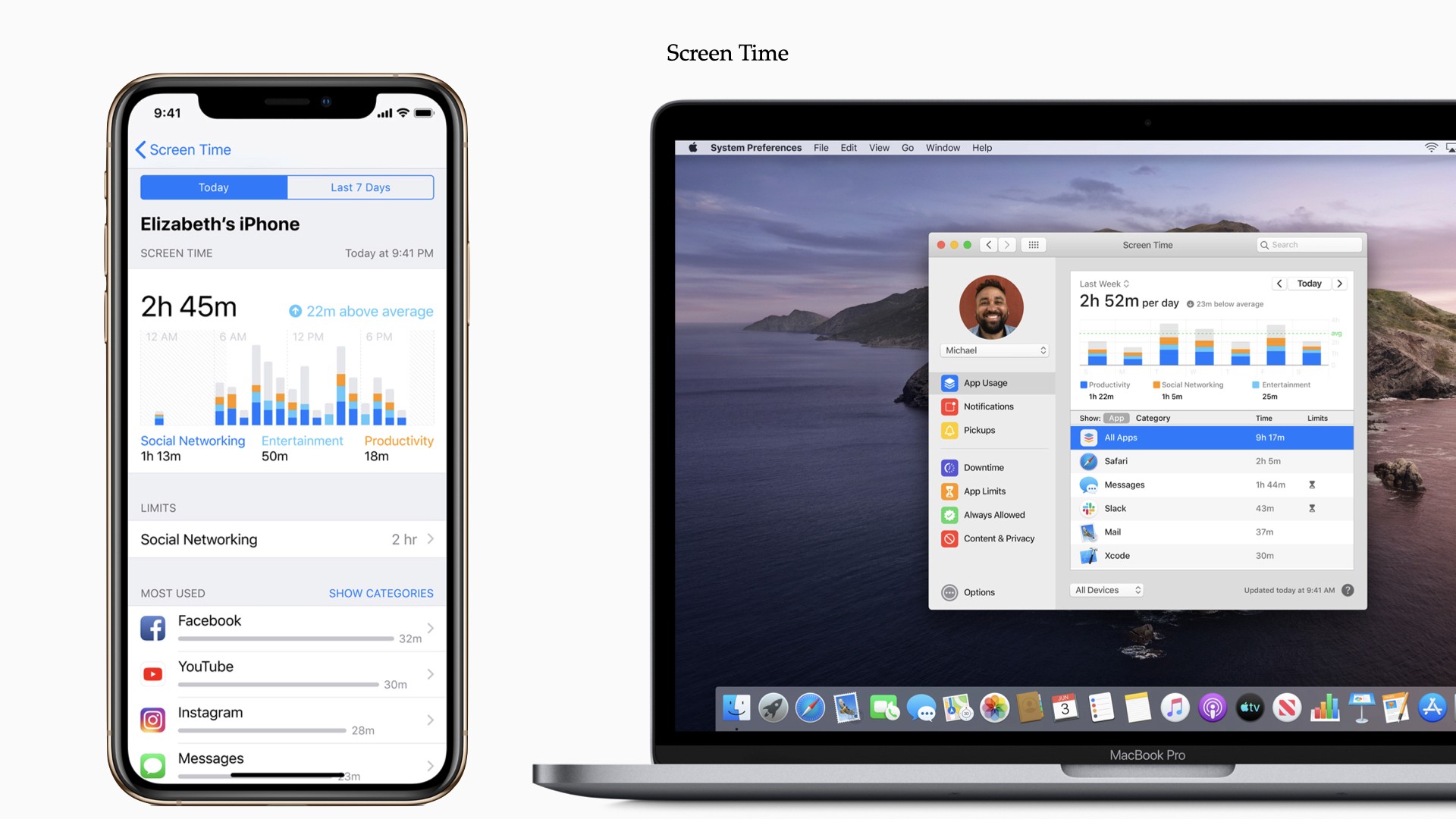
I then moved on the Program Management Office to work on various iOS and macOS features. My tentpole feature for 2 years was Screen Time, a new feature on iOS 12 and macOS Catalina that helps give you a better understanding of the time you and your kids spend using apps, visiting websites, and on your devices overall.
Abercrombie & Fitch
Product Manager, Mobile e-Commerce & Omnichannel
Jul 2012 - Jan 2015
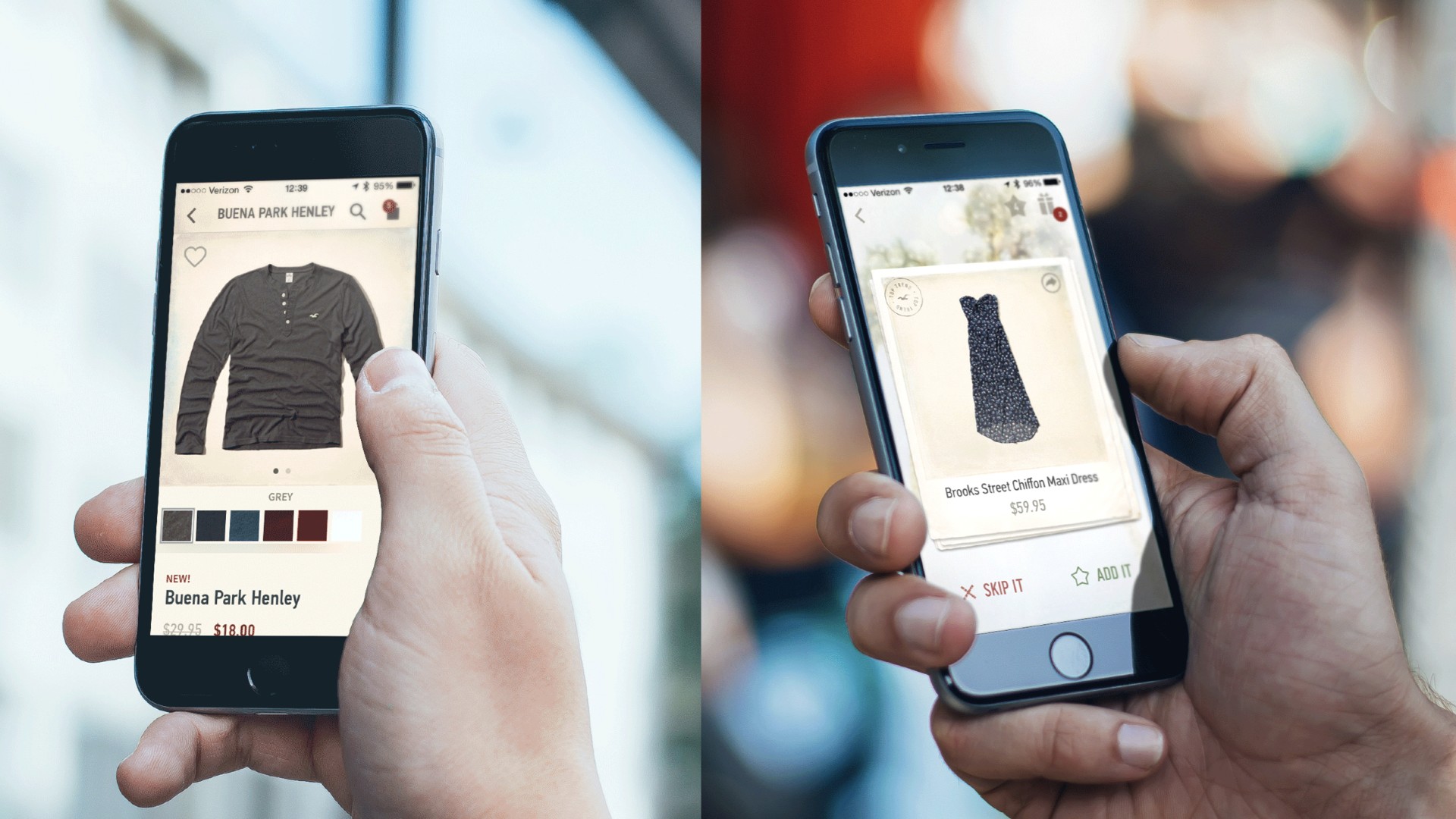
I owned the A&F business strategy for Mobile Commerce and Omni-Channel integrations. During my time at A&F I drove the redesign of their 4 Mobile e-commerce sites, built our native mobile apps, set the foundation for APIs that would allow the native apps to offer native commerce capabilities. I also was part of the team that launched a few pilots for our Omni-Channel capabilities like reserve & pickup in store.
HP Palm
Product Manager, webOS App Store
Mar 2011 - Jun 2012
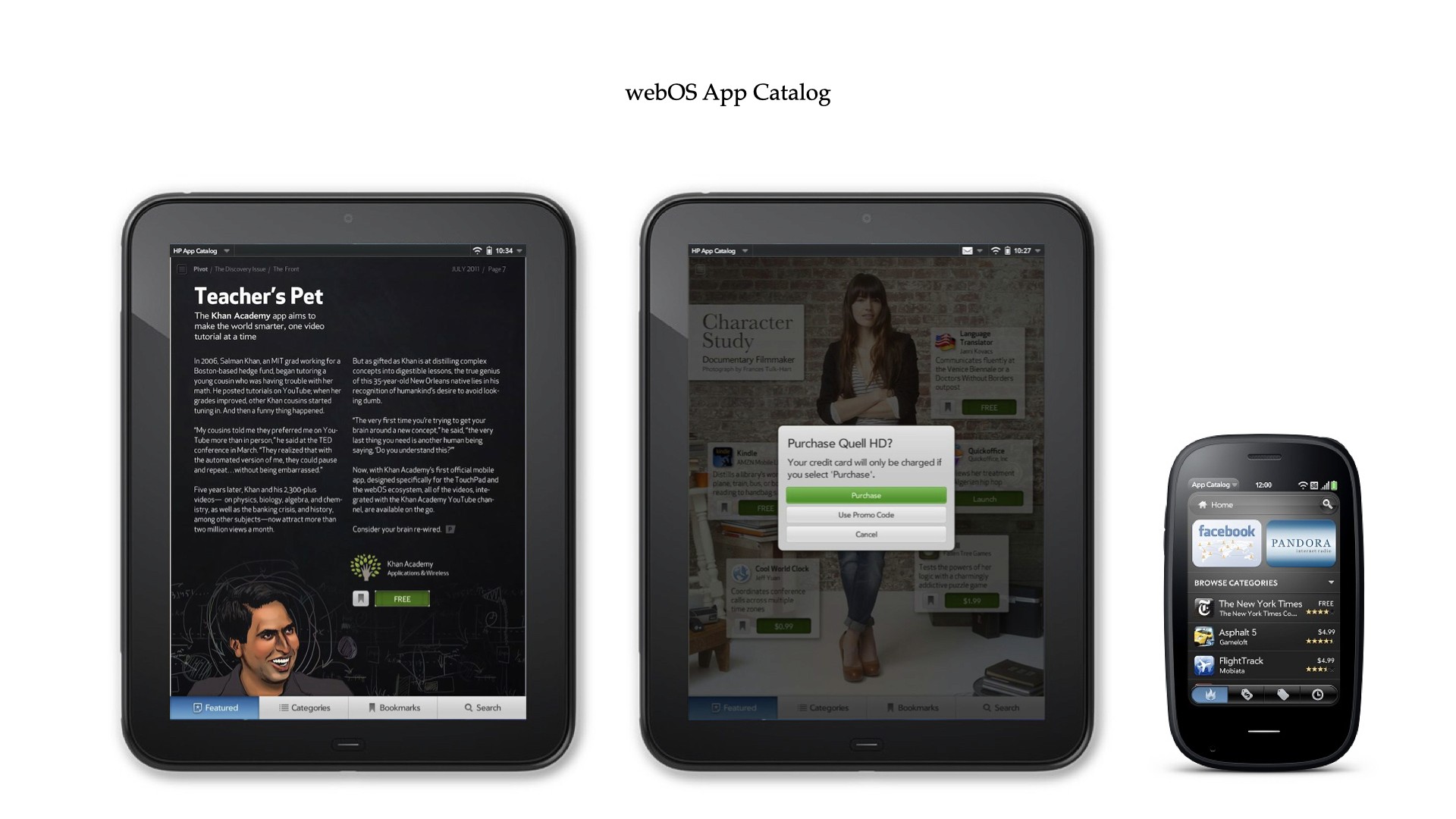
At Palm, which got acquired by HP, I worked on webOS to drive the definition and execution of new features of the App Catalog and its related services (Developer Portal, Payment and other Cloud services) and set the roadmap and strategy for growth of their app ecosystem. Key responsibilities and projects included launching Pivot, a new way of discovering interesting applications, included in the App Catalog and praised as a great innovative feature of the TouchPad. I also launched the App Catalog in new countries, with Operator Billing as a new payment method on multiple carriers in Europe and Asia.
Seesmic
Product Manager, Mobile Apps
Jul 2009 - Mar 2011
Seesmic was a dashboard for social networks and is available on Mobile, Web and Desktop. I lead a 15-people offshore team to design and develop award-winning applications on iOS, Android, BlackBerry and Windows Phone 7. During my time at Seesmic I:
Designed and launched the 5 Seesmic Mobile apps.
Managed the 5 offshore engineering teams (15 people) and visual designer to execution of the specifications.
Oversaw QA activities: define supported devices/OS, maintain the BAT, write documentation and release notes.
Managed relationships with key partners like Twitter, Facebook and Google as well as with carriers and smartphone manufacturers.
Organized and led user testing of applications.
Scout Labs
Product Manager
Jan 2008 - Jul 2009
Scout Labs helped companies monitor they brand and products on social media in a real-time web-based application. Scout Labs has been acquired by Lithium technologies in May 2010 and is now called Lithium Social Media Monitoring.
Projects
Crist Drive
I started Crist Drive, a mobile apps development studio. Crist Drive, is where it all started, where Steve Jobs and Steve Wozniak created Apple and they are our source of inspiration. Just like them, we like to think differently and have a whole new take on the problems we think about. We believe mobile technology has the power to improve our life in so many different ways.
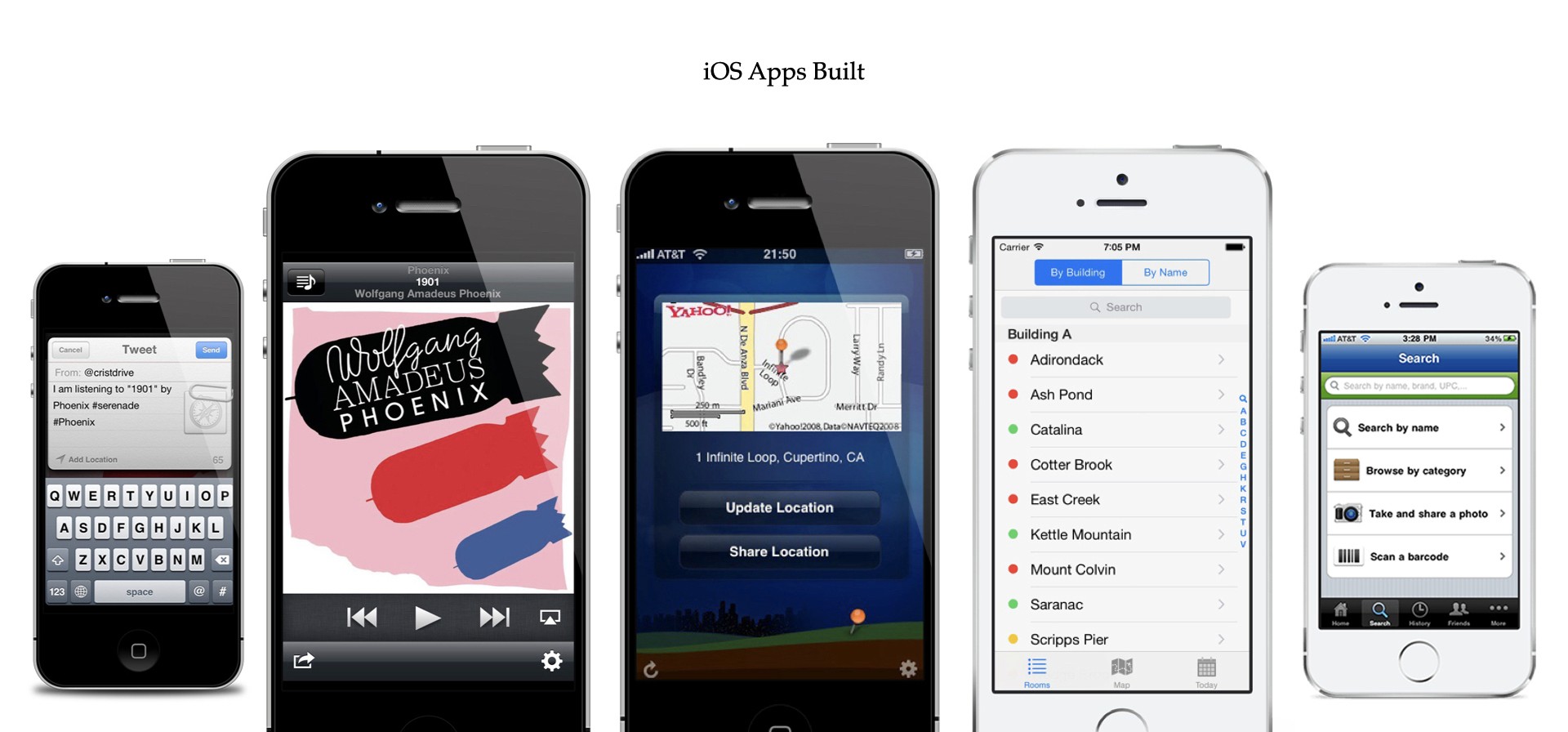
As part of Crist Drive, I built and launched Serenade. Serenade was the best way to share songs you’re listening on your iPhone with your friends. With a tap, you could send the song you’re currently listening on Twitter, Facebook, via email, SMS or copy the song information so you could paste it anywhere else. Along with your message, we shared a link to your song so your friends could immediately listen to a preview of the song and buy it straight from iTunes, YouTube or Spotify.
We've built many iOS apps, including Voilà!, one of the first service allowing users to share and broadcast their location online and discover interesting places around them, as well as a conference room locator which allows employees to easily locate and get information about conference rooms around them. We also helped Zappli build myShopanion, an app that allowed you to easily find products, save and share them, read reviews and buy them at the best price wether online or in stores.
Photography
These are a small selection of my favorite film photos. I post most of them on my Instagram if you want to see more.


